
In today’s fast-paced world, where the demands of work, family, and social obligations are constant, self-care is often the first thing that gets pushed aside. It’s easy to feel like taking time for yourself is selfish or indulgent, especially when there’s always something or someone that needs your attention. However, self-care is not only essential for your mental, emotional, and physical health—it is a necessary act of self-preservation that enables you to be the best version of yourself for others.
The problem, however, is that many people experience guilt when they take time for self-care, believing that they are neglecting their responsibilities or being selfish. This guilt can prevent you from reaping the full benefits of self-care. The good news is that practicing self-care without feeling guilty is entirely possible—and it’s something you deserve.
In this blog, we’ll explore why guilt often accompanies self-care, why it’s important to overcome that guilt, and practical tips for prioritizing your well-being without feeling bad about it.
Before we can tackle how to practice self-care without guilt, it’s important to understand why guilt often arises when we take time for ourselves.
Guilt is an emotional response that occurs when you believe you’ve done something wrong or failed to meet expectations. It can arise from both internal and external pressures—whether it’s societal expectations, personal beliefs, or the needs of others. In the case of self-care, guilt typically stems from feeling that your needs are secondary to the needs of others, or that you are being “selfish” by taking time for yourself.
The truth, however, is that self-care is not about selfishness. It’s about ensuring that you are healthy and energized so that you can show up for others in the best possible way. The better you care for yourself, the better you can care for the people you love and fulfill your responsibilities.
One of the first steps in eliminating guilt around self-care is to reframe how you think about it. Instead of viewing self-care as an indulgence or luxury, recognize it as a necessity. Taking care of your mental, emotional, and physical health enables you to be more productive, present, and fulfilled in every aspect of your life.
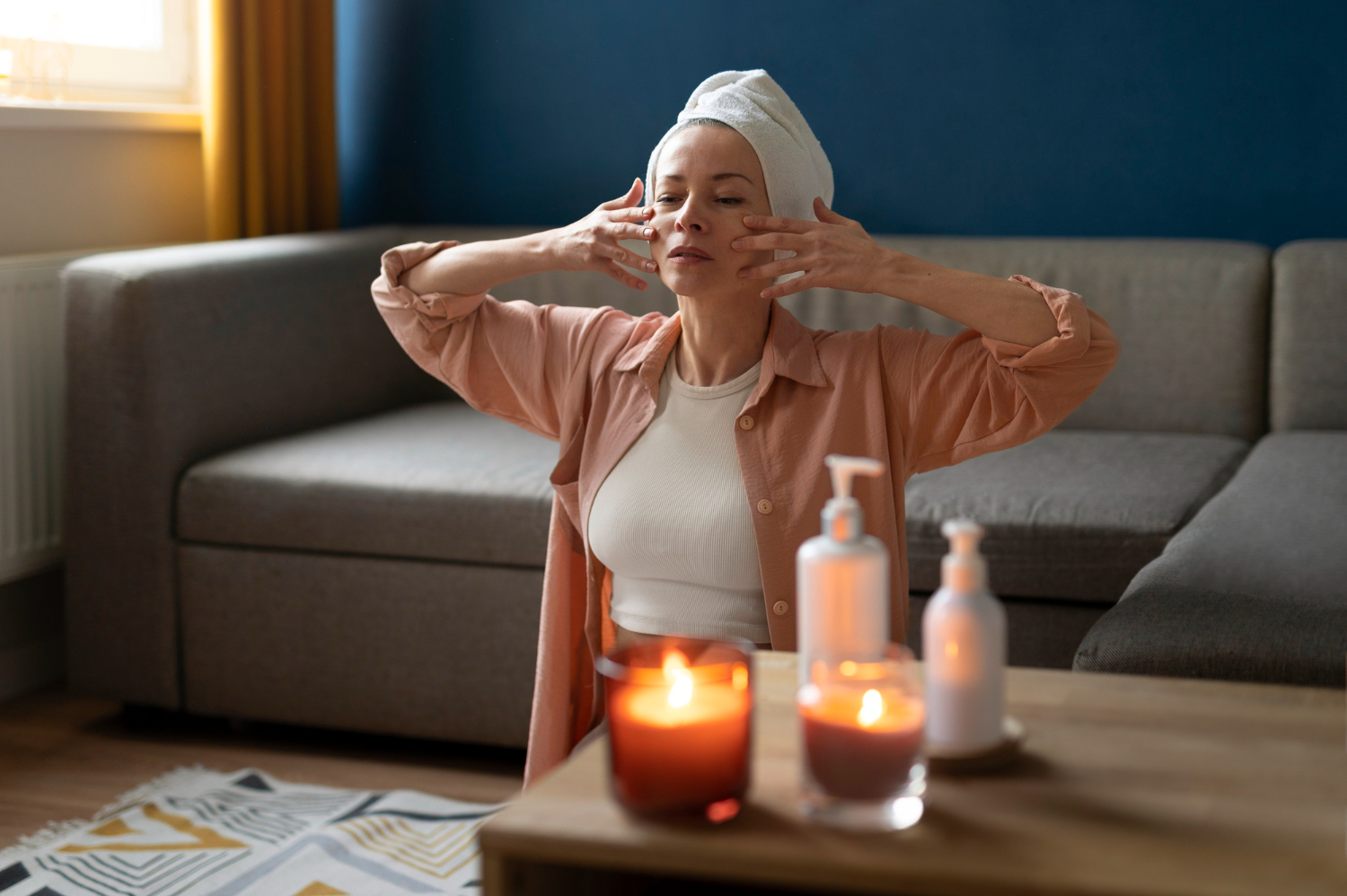
Self-care isn’t just about pampering yourself with spa days or taking long bubble baths (though these can be enjoyable activities!). It encompasses all the actions that help maintain your well-
being: getting enough rest, eating nourishing foods, exercising, setting healthy boundaries, seeking therapy, engaging in hobbies, and practicing mindfulness.
By reframing self-care as a fundamental part of life rather than a luxury, you can remove the negative connotation associated with it and focus on its true value.
Another way to reduce guilt is to remind yourself of why self-care is important. Here are a few key reasons why taking time for yourself is not only okay, but essential:
By acknowledging these benefits, you can shift your perspective and understand that self-care is an investment in your long-term health and happiness. It’s a vital part of living a balanced and fulfilled life.
If you’re used to putting everyone else’s needs ahead of your own, it can be challenging to make self-care a priority. Start small and be gentle with yourself. Self-care doesn’t need to involve large chunks of time or drastic changes in your routine.
You might start by setting aside just 10 minutes a day for a quick self-care practice, like deep breathing, a short walk, or reading a book. Gradually increase the time as you become more
comfortable with incorporating self-care into your life. Remember, even small acts of self-care can make a big difference over time.
Also, practice self-compassion. Don’t beat yourself up if you miss a day of self-care or find it hard to commit to a routine. Life happens, and it’s okay. The goal is progress, not perfection.
A major reason people feel guilty when practicing self-care is that they are afraid of disappointing others or letting them down. In order to feel less guilty, it’s important to set healthy boundaries and communicate those boundaries clearly with the people in your life.
Here are a few ways to set boundaries around self-care:
Setting clear boundaries may feel uncomfortable at first, especially if you’re used to saying “yes” to everything. However, over time, you’ll realize that maintaining these boundaries helps you preserve your energy and prevents feelings of resentment.
Consistency is key to practicing self-care without guilt. Make it a part of your daily routine, just like brushing your teeth or eating meals. When self-care becomes a regular habit, it won’t feel like an extra burden or something you only do when you “have time.”
You can incorporate self-care into your routine in several ways:
By incorporating self-care into your daily routine, you’ll start to view it as an essential part of your life rather than something extra.
Practicing self-care is easier when you have a support system. Surround yourself with people who understand and encourage the importance of self-care. Whether it’s friends, family, or colleagues, find people who value their own well-being and support your efforts to prioritize yours.
You might also consider joining online communities or groups where self-care is the primary focus. These groups can offer encouragement, share tips, and provide accountability as you develop your self-care practices.
Ultimately, combatting guilt around self-care involves shifting your mindset. Instead of viewing self-care as something you need to feel guilty about, try to view it as an essential part of being your best self. Practicing self-care makes you a better, more energized, and happier person, which ultimately benefits everyone around you.
Remind yourself that taking care of yourself is not a selfish act—it’s an act of love and respect for yourself. You deserve the time and space to nurture your mind, body, and soul.
Conclusion
Self-care is not a luxury; it’s a necessity for living a healthy, balanced life. While it’s natural to feel guilt when you first start prioritizing yourself, remember that taking care of your own well being is crucial for being able to take care of others. By reframing your mindset, setting boundaries, and practicing self-care consistently, you’ll be able to nourish yourself without guilt. You deserve to feel good, both physically and emotionally, and making self-care a priority is the first step toward a happier, healthier you.
